 Image 1 of 3
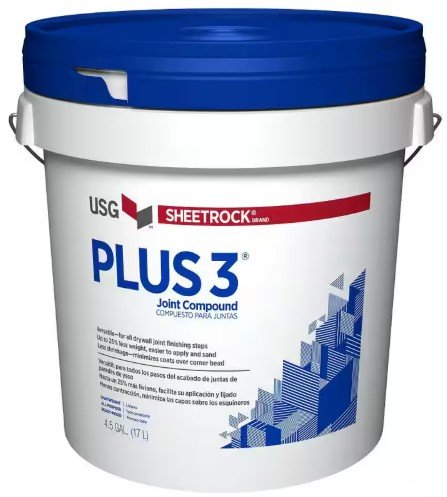 Image 2 of 3
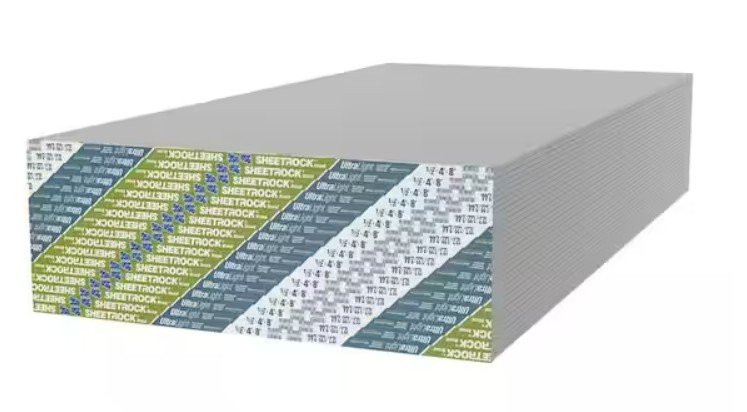 Image 3 of 3
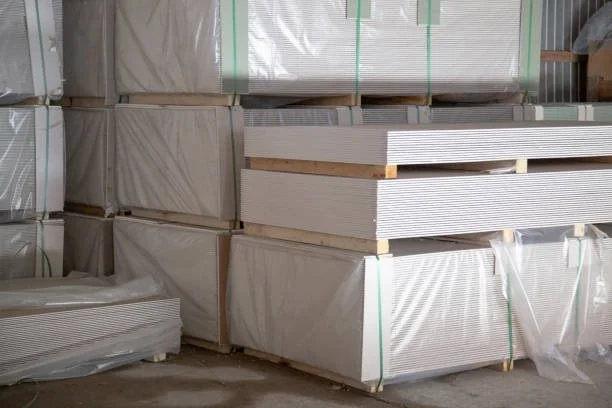
When wallboard is installed, it leaves seams where the panels meet. Joint compound is used to fill in those seams, cover screw holes, and create a smooth, continuous surface that looks like one solid wall.
Joint compound adheres perfectly to the paper surface of wallboard. It spreads easily, dries consistently, and gives you a durable finish that’s built to last.
Raw drywall can’t be painted directly — it needs to be finished first. Joint compound creates a clean, even surface that’s ready for primer and paint, giving your walls a professional look.
Whether it’s a full install or a small patch job, the combination of wallboard and joint compound makes repairs efficient and consistent.
This combo is the industry standard for a reason. It’s cost-effective, time-tested, and delivers high-quality results on everything from new construction to home renovations.
When wallboard is installed, it leaves seams where the panels meet. Joint compound is used to fill in those seams, cover screw holes, and create a smooth, continuous surface that looks like one solid wall.
Joint compound adheres perfectly to the paper surface of wallboard. It spreads easily, dries consistently, and gives you a durable finish that’s built to last.
Raw drywall can’t be painted directly — it needs to be finished first. Joint compound creates a clean, even surface that’s ready for primer and paint, giving your walls a professional look.
Whether it’s a full install or a small patch job, the combination of wallboard and joint compound makes repairs efficient and consistent.
This combo is the industry standard for a reason. It’s cost-effective, time-tested, and delivers high-quality results on everything from new construction to home renovations.